
Pump Safety Tips
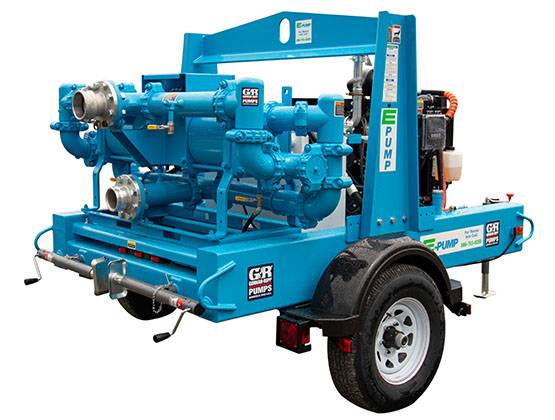
Why Pump Safety Tips Should Never Be Overlooked
When your project requires pumps, pump safety tips should never be taken for granted. Even experienced operators need to be reminded about safety procedures which are easily forgotten even though they are “common sense”. Here are useful topics to review with field personnel:
Safe Refueling Procedures
Exercise caution when refueling. When refueling a pump, confirm that the engine is not operating and has cooled. Fuel vapors can ignite, causing serious injury to the operator.
Why Pump Maintenance and Troubleshooting Are Hazardous
Troubleshooting is hazardous. Even a knowledgeable operator is subject to injury when performing simple pump maintenance. For example, removing debris from around the impeller can easily result in severe injury if proper precautions are not taken. Contact E-Pump for guidance. We will respond quickly to safely troubleshoot any malfunctions on our rental pumps.
Managing Exhaust Fumes in Pumping Operations
Vent exhaust fumes. Vent engine exhaust fumes away from and outside of enclosed areas. Diesel engine-driven pumps produce carbon monoxide. Enclosed-area pumping operations should utilize an air-operated or electric-driven pump.
Hose Sizing and System Pressure Safety
Proper specs are critical to safety. Hose length and diameters must be spec’d to ensure safe fluid flow through the pumping system. Restricting high flows through undersized hose or pipe increases system pressure and can push fluid velocity beyond safe operating conditions.
Risks of Running Pumps Dry
There are dangers with running dry. Pumping projects with variable flow requirements should utilize pumps capable of dry operation or automated pump controls. Residual fluid in a standard (non-vacuum assisted) centrifugal pump can vaporize when flow through the pump is variable. When disconnecting a pump from a system, operators should assure the pump casing and hose connections have cooled.
Building a Culture of Pump Safety
Safe pump operation is most effective when reinforced through routine training and jobsite awareness. Reviewing safety procedures before startup, using proper personal protective equipment, and encouraging operators to report unsafe conditions can significantly reduce injuries and equipment damage during pumping operations. Following these pump safety tips helps reduce injuries, prevent equipment damage, and keep pumping operations running efficiently.
For additional guidance or troubleshooting support, contact E-Tank to help keep your pumping operations safe and efficient.